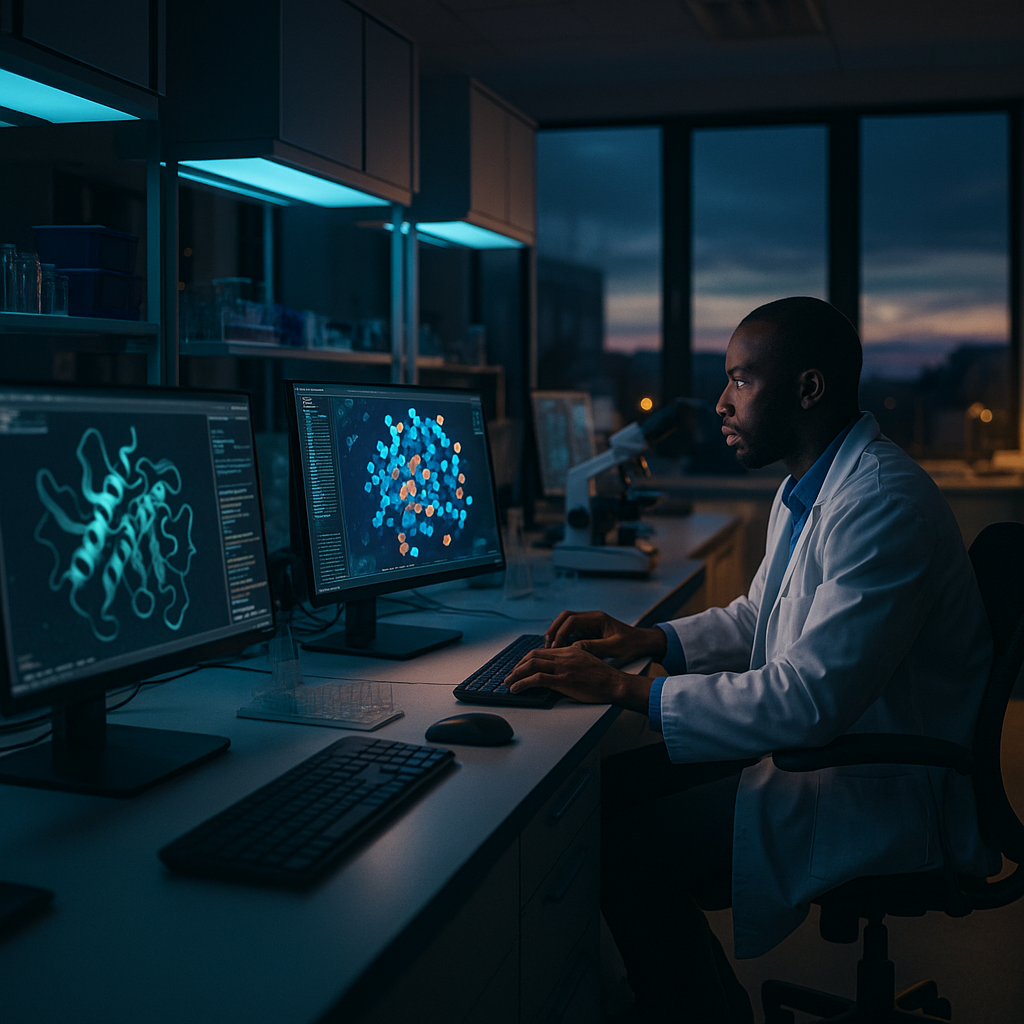
On June 30, 2026, Anthropic announced it will run its own internal drug discovery programs, targeting diseases that traditional pharma considers commercially unattractive. Rare genetic disorders and tropical maladies are in scope. Specific targets, funding amounts, and timelines to clinical stages have not been disclosed. Alongside that announcement, the company launched Claude Science, an AI research workbench built for biopharma teams.
This is the first time a leading foundation model lab has moved from selling AI tools to drug companies into actively pursuing its own drug discovery programs.
The strategic logic
Anthropic's life sciences head Eric Kauderer-Abrams was blunt about it: "We believe in the power of tight feedback loops, and there's no substitute for having our own experiences alongside you all in the trenches trying to develop drugs," he told The Decoder. In October 2025, he told CNBC that Anthropic wants "a meaningful percentage of all of the life science work in the world to run on Claude, in the same way that that happens today with coding."
Running internal drug programs is a credibility play. You can't sell tools to biopharma researchers if you've never shipped a molecule. An Anthropic spokesperson told CNBC that as a public benefit company, "we can choose programs on patient benefit, including work the commercial market overlooks." Both things are true at once: genuine mission alignment and a calculated move to build trust with paying pharma customers.
What Claude Science actually is
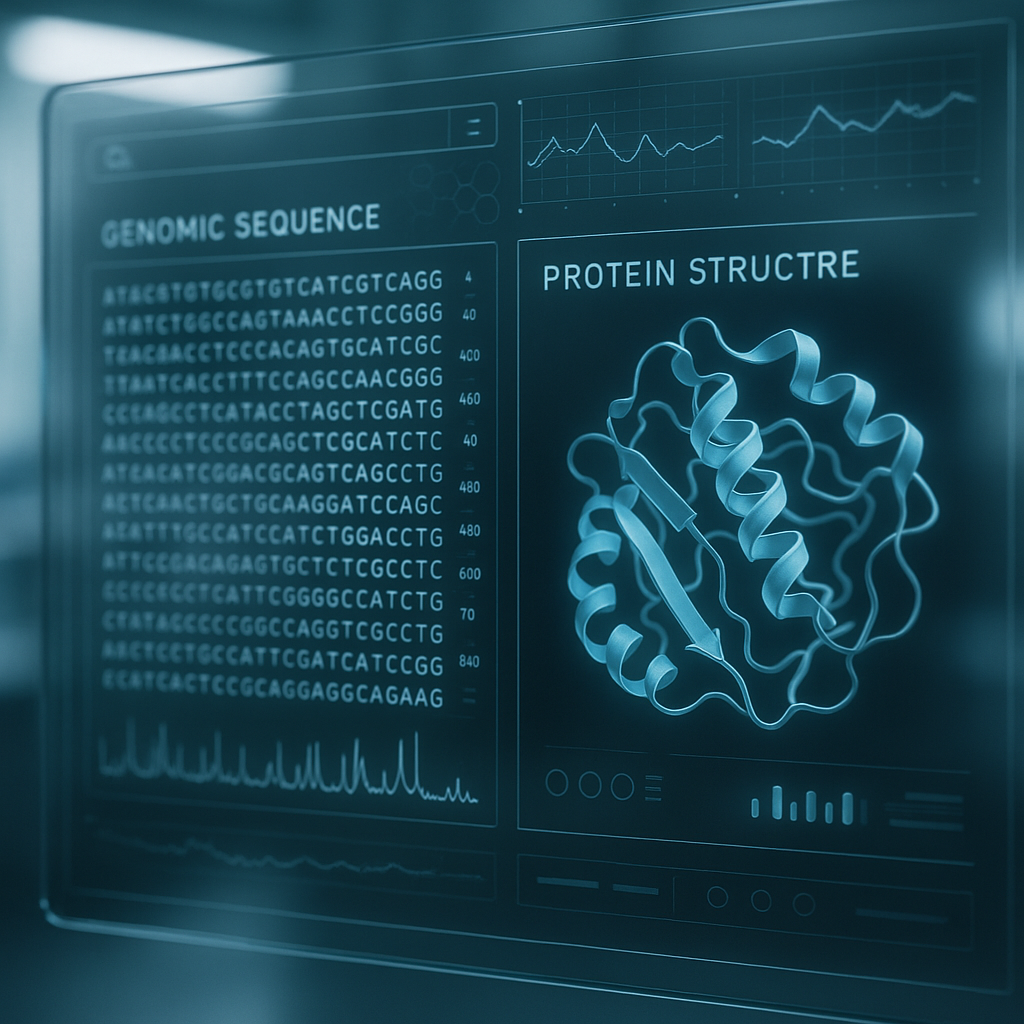
Claude Science is not a new model. It's a research environment built on top of Anthropic's existing Claude models, consolidating tools that researchers typically have spread across a dozen applications. The platform integrates PubMed, Jupyter, and R into a single workbench with more than 60 pre-configured functions covering genomics, proteomics, structural biology, and cheminformatics.
A few technical details:
- Multi-agent orchestration: A central assistant spawns specialized sub-agents for specific research tasks rather than handling everything in a single context window.
- Auditable research histories: Every result can be traced back to its source code and computing environment. This addresses reproducibility problems that have long plagued computational biology.
- Session forking: Researchers can branch analytical approaches while preserving original workflows. Useful when comparing two structural models or two compound series.
The platform also integrates Basecamp Research's EDEN dataset, described as the world's largest biological dataset with sequencing data from millions of microbial species. Anthropic says this integration can compress weeks of pathogen research into a single conversation, though that claim hasn't been independently benchmarked yet.
Claude Science is available in beta for Pro, Max, Team, and Enterprise users on macOS and Linux. Anthropic is also offering up to $30,000 in computing credits for 50 selected biomedical research projects, with applications due July 15. Novo Nordisk and the Allen Institute are among early adopters.
Eighteen months of groundwork
This announcement didn't come out of nowhere. Anthropic launched Claude for Life Sciences in October 2025, followed by Claude for Healthcare in January 2026. In April 2026, the company acquired Coefficient Bio, a computational drug discovery startup, for $400 million in stock. Its two founders, Samuel Stanton and Nathan Frey, previously worked in computational drug discovery at Genentech's Prescient Design. In May 2026, Bristol Myers Squibb announced it would deploy Claude Enterprise to more than 30,000 employees across research, manufacturing, and commercial operations. Two weeks before the June 30 event, Anthropic hired John Jumper, who shared the 2024 Nobel Prize in Chemistry for co-creating AlphaFold.
That's deliberate accumulation of life sciences credibility over a short period.
The race and the reality check
Anthropic isn't alone here. OpenAI has forged partnerships with Novo Nordisk, Eli Lilly, Moderna, and Sanofi. DeepMind CEO Demis Hassabis co-founded Isomorphic Labs specifically to apply AI to drug discovery. The competitive pressure is real and accelerating. According to GlobalData's Pharmaceutical Intelligence Center, the total value of AI partnerships in pharma jumped 120% year-on-year between 2024 and 2025.
The industry backdrop gives this some urgency. Pharmaceutical companies collectively spend $150-200 billion annually on R&D but have produced only around 800-1,000 drugs over 120 years. Novartis CEO Vas Narasimhan has said AI could cut development timelines from twelve years to seven or eight, and potentially double success rates from 8% to 16%.
One fact tempers the enthusiasm: as of June 30, no AI-discovered drug has won FDA approval. Anthropic's internal programs are preclinical. The gap between a promising computational target and an approved medicine is long, expensive, and littered with failures. What Anthropic is betting is that running the race firsthand will make their tools better and their sales pitch more credible, whether or not they cross the finish line first.